Our Beliefs
At Unlimited Church, we believe that life with Jesus is limitless: full of hope, joy, and purpose. Our beliefs are rooted in the Bible and centered on the life-changing power of Jesus Christ.
Our Vision
TO BE A SAFE PLACE FOR PEOPLE TO EXPERIENCE THE PRESENCE OF GOD AND TO BE SET FREE, HEALED, DISCIPLED, AND EQUIPPED IN SERVING IN HIS CHURCH.
Our Beliefs
We invite you to explore our beliefs and join us in our pursuit of living out our faith in boldness and passion.
The Bible
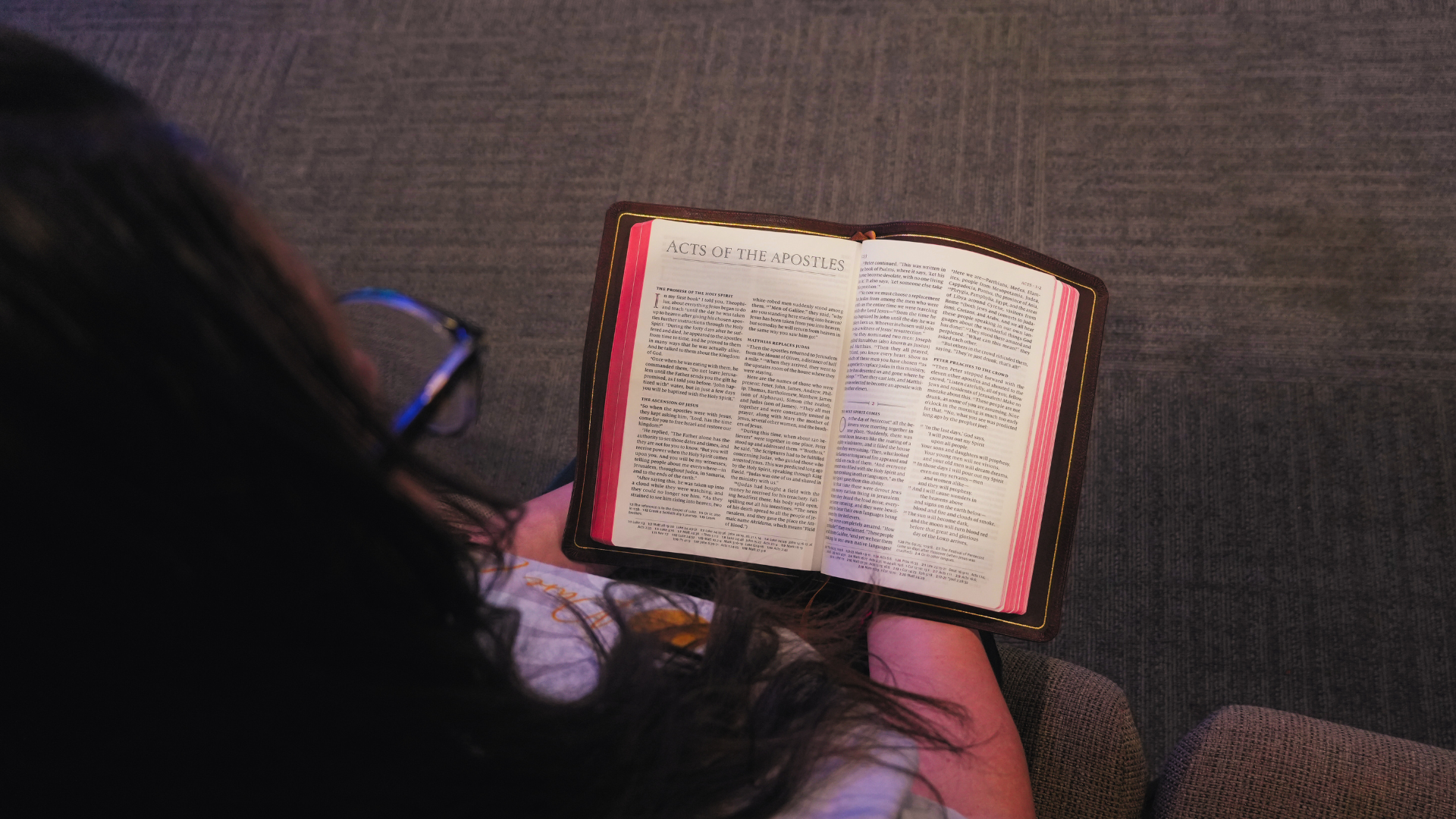
The Bible is God’s Word to us: inerrant, trustworthy, and the final authority for what we believe and how we live. It was written by 40 different authors over the span of 1,500 years under the inspiration of the Holy Spirit, making it alive and powerful for teaching us who God is, how much He loves us, and how to live a life that honors Him.
(2 Timothy 3:15–17; 1 Thessalonians 2:13; 2 Peter 1:21)
God
God is the loving Creator of all that exists, both seen and unseen. He is eternal and completely good, knowing all things and possessing all power and majesty. God exists as the Trinity, three persons, yet one God: Father, Son, and Holy Spirit. He passionately desires a relationship with us and continually invites us into a life of faith, friendship, learning, and service.
(Genesis 1:1; John 14:6–9, 15–17; John 16:7–15; Matthew 28:19; 2 Corinthians 13:14; 1 John 4:9–10)
Jesus Christ
God revealed Himself in human form through His Son, Jesus Christ. He was born of the virgin Mary (Matthew 1:18–23), lived a sinless life (Hebrews 7:26; 1 Peter 2:22; 1 John 3:4–5), was crucified for the sins of all people (2 Corinthians 5:21; 1 Peter 2:24; 1 Corinthians 15:4), was buried, rose from the dead, and ascended to heaven (Acts 1:9, 11; Philippians 2:9–11). Forgiveness of sins and a right relationship with God are found through Him alone (Romans 10:9–10; Acts 4:12).
The Holy Spirit
The Holy Spirit is a good gift from God. He convicts the world of sin and draws us to the Father (John 16:8). He baptizes us into the body of Christ (1 Corinthians 12:13), leads us into truth (John 16:13), counsels us (John 14:16), teaches us (John 14:26), empowers us to be witnesses (Acts 1:8), continually fills us (Acts 4:31; Galatians 5:16–25; Ephesians 5:18), and distributes spiritual gifts to every believer as He wills (1 Corinthians 12:4–11).
The fruit of the Spirit (Galatians 5:22–23) is the evidence of a Spirit-filled life and marks spiritual maturity.
After salvation, every believer is encouraged to earnestly desire the baptism in the Holy Spirit (Romans 5:5; 1 Corinthians 14:1), which is God’s promise to all who believe (Acts 2:39). This baptism empowers us to boldly witness for Jesus (Acts 1:8), and the initial physical evidence of receiving the baptism in the Holy Spirit is speaking in tongues (Acts 2:4; Acts 10:46; Acts 2:33).
The spiritual gifts of the Holy Spirit are given to build up and edify the Church. They should always be exercised in a way that is orderly and honors God (1 Corinthians 14:40). Above all, the greatest gift is love (1 Corinthians 13:13).
Salvation
Salvation is found in Jesus Christ alone (Acts 4:12; John 14:6). He died on the cross to pay the penalty for our sins (1 Peter 2:24), offers us forgiveness (Hebrews 9:26), and calls us to become children of God (John 1:12).
When we put our faith in Him, a spiritual transformation takes place. We become the temple of the Holy Spirit (1 Corinthians 6:19).
- Our names are written in the Lamb’s Book of Life (Revelation 3:5).
- We become citizens of heaven (Philippians 3:20–21).
- We receive eternal life (John 3:16).
- We are adopted as God’s children (Galatians 4:4–7).
- Our sins are forgiven and forgotten (Hebrews 8:12).
- We are credited with Christ’s righteousness (Romans 4:4–5).
- We are born again (John 3:3).
- We belong to God (1 Corinthians 6:20).
We receive an eternal inheritance (Ephesians 1:13–14; 1 Peter 1:3–5).
The evidence of salvation is both internal and external: the inner witness of the Holy Spirit (Romans 8:16) and the outward fruit of the Spirit (Galatians 5:22–23). We become a new creation (2 Corinthians 5:17), continually being transformed into the image of Christ (2 Corinthians 3:18).
Prayer
Prayer is how we communicate with God, expressing our worship, gratitude, needs, and dependence on Him. It is both a privilege and a vital part of the Christian life (Philippians 4:6; 1 Thessalonians 5:16–18).
Jesus taught us to pray personally, in private, seeking the Father’s presence and aligning our hearts with His will (Matthew 6:6–13). In prayer we find peace, strength, and guidance (James 5:13–16; Psalm 34:4).
Prayer is also meant to be shared in community. When the church prays together, it brings unity, encourages faith, and invites God’s power to move among His people (Acts 1:14; Acts 2:42; Matthew 18:19–20).
Through prayer, whether private or corporate, we draw closer to God, experience His presence, and partner with Him in His purposes for the world.
Water Baptism & Communion
Scripture teaches that all who repent and believe in Christ should be baptized (Matthew 28:19). Baptism is a public profession of faith in Christ, symbolizing His death, burial, and resurrection. It declares to all that we have died to sin and have been raised with Christ to walk in newness of life (Romans 6:4).
The Lord’s Table, or Communion, consists of two elements: the bread and the cup, which are symbolic of the body and blood of Christ. Communion is both a memorial of His suffering on the cross and a celebration of our salvation.
The Church
The Church is the body of Christ, made up of all who believe in Him (1 Corinthians 12:12–14). Its purpose is to glorify God by worshiping Him, sharing the good news of Jesus, making disciples, and serving others in love (Matthew 28:19–20; Acts 2:42–47).
The Church gathers to encourage one another, grow in faith, and use our spiritual gifts to build up the body of Christ (Hebrews 10:24–25; Ephesians 4:11–13). Together, we are called to be a light to the world, showing God’s love and truth in both word and action (Matthew 5:14–16).
The Future
We believe that Jesus Christ will return just as He promised, visibly, personally, and gloriously, to judge the living and the dead and to establish His eternal kingdom (Acts 1:11; Matthew 24:30–31; Revelation 22:12).
For those who have trusted in Him, this is a blessed hope, as we look forward to spending eternity in His presence, where there will be no more pain, sorrow, or death (Titus 2:13; Revelation 21:1–4). Those who reject Him will face eternal separation from God (2 Thessalonians 1:8–9).
Until He comes, we live in readiness, faithfully serving Him and sharing His love with the world (Matthew 24:42–44; 2 Peter 3:10–13).